
It seems that every year, every month, nearly every week there is some news channel or political leader declearing the North Atlantic Treaty Organization (NATO) is dead or failure.
But is it?
Background
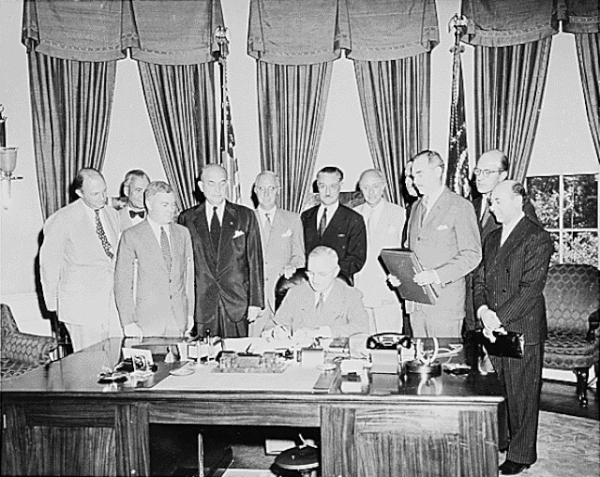
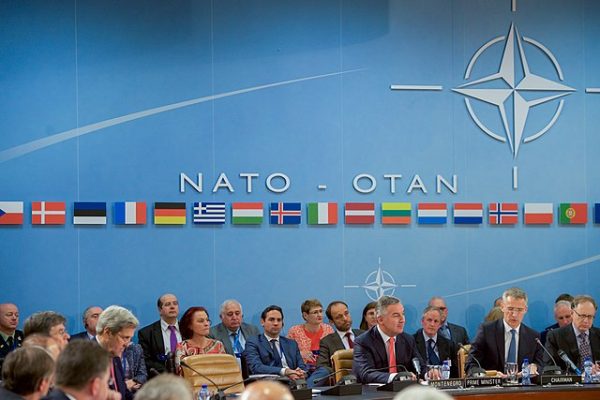
NATO was created in 1949, hoping to deter Soviet expansion to the West. Since, NATO helps to deter extreme nationalism and militarism in Europe, while also creating a forum for European, American and Canadian allies to converse. NATO has also come to the United State’s defense following the 9/11 terrorist attacks – the first and only time Article 5 has been invoked. Despite only officially invoking Article 5 after 9/11 and engaging in the war in Afghanistan, NATO has also helped support missions in the Balkans, and Libya.
Economic
The first issue that challenges NATO unity, like most multi-billion dollar conglomerates, is funding.
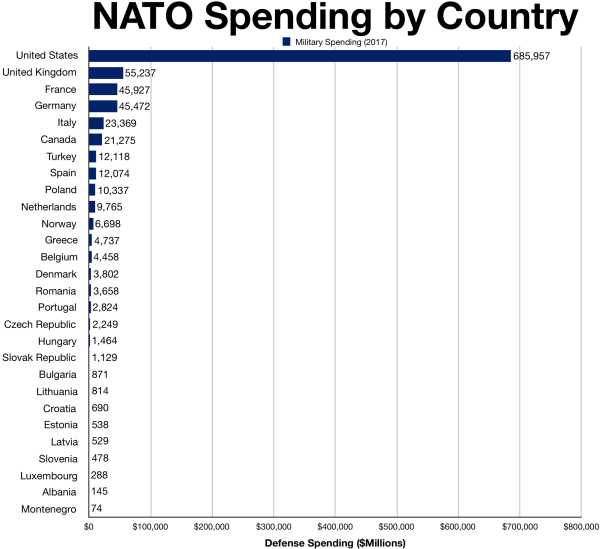
Firstly, the largest fear and threat to NATO is the budget. According to the NATO website, their budget is around €5.3 billion Euros (€) for the 2026 fiscal year. It is known that the United States (U.S) has historically been the largest contributor to the Organization (see graphic). Since the election of President Donald J. Trump he has made calls for increases in funding from the other member nations, stating “It’s a monumental win for the United States because we were carrying much more than our fair share. It was quite unfair actually. But this is a big win for Europe and for actually Western civilization.”
Following discussions, NATO members agreed to a 5% increase towards their defense target. Current Secretary General of NATO Mark Rutte stated, “America expects European allies and Canada to contribute more. And that is exactly what we see them doing.”
As member nations continue funding their internal programs and fulfilling other alliances, nations have been increasing their debt, leaving less room of NATO funding. Welfare programs that have been highly regarded by Western European nations complicate the challenge, while Eastern European nations have wanted to focus on technological advancements. The differences in priorities, as well as historical reliance on the U.S has threatened funding and increased tensions.
Internal Conflict
When dealing with 32 different beliefs, it can get complicated.
While unlikely, some analysts wonder if a conflict between two NATO members could cause NATO itself to fracture. While a war has never happened between members, conflicts between member states have happened before. Known as the Cod Wars from 1958-1976, Iceland and the United Kingdom had disputes over fisheries. Second was between Canada and Spain, also over fisheries. The most recent and severe was in Cyprus after Greece backed a military coup in Cyprus. These minor conflicts have not led to official wars. However, if an official war were to take place between NATO members, it could threaten the organization by invoking Article 5 against their own member.
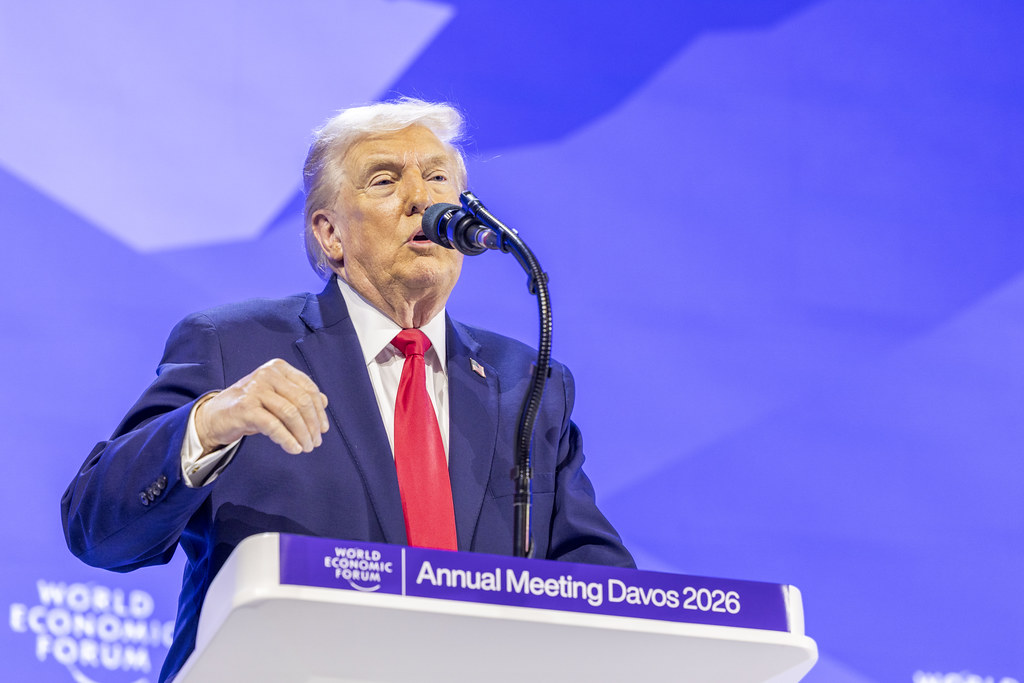
There has been much concern about Greenland, an autonomous region of Denmark (NATO member) following remarks from President Trump, stating, “But one way or the other, we’re going to have Greenland.” The Danish prime minister responded by saying, “If the United States decides to militarily attack another NATO country, then everything would stop – that includes NATO and therefore post-second world war security.” Threats have seemed to have cooled since President Trump spoke at Davos, Switerzerland for the World Economic Forum.
Historic Reliance on the United States
NATO has historically relied heavily on the United States for funding and military technology. Historically, NATO was created originally to deter Soviet Expansion, and relied on the US following the destruction of Europe in the second World War. However, in history, U.S. officials did not see reliance on the U.S. as negative as some do today. President Eisenhower stated, “In our own interest, we must insist upon a working partnership with every nation making the common security its task of first priority. Every one of the member nations must realize, that the success of this combined effort to preserve the peace rests directly upon America’s productive, economic, and political strength as it does on any amount of military force we can develop.”
According to Reuters, today the U.S. funds 16% of NATO. While some have seen a need for Europe to become more independent, like current secretary Mark Rutte, NATO was founded on the belief of American expansion and American soft and hard power.
Verdict
While Emmanuel Macron calls NATO “Brain Dead,” and news organizations further his calls, NATO is in the same if not better position than the past. Calls from America and Mark Rutte have helped to increase European funding and independence. The main fear, is internal issues, as any diplomatic group has. Continuing talks and working through differences is the greatest tool our diplomats today have to ensure that groups like NATO, that are meant to protect future generations do just that.