
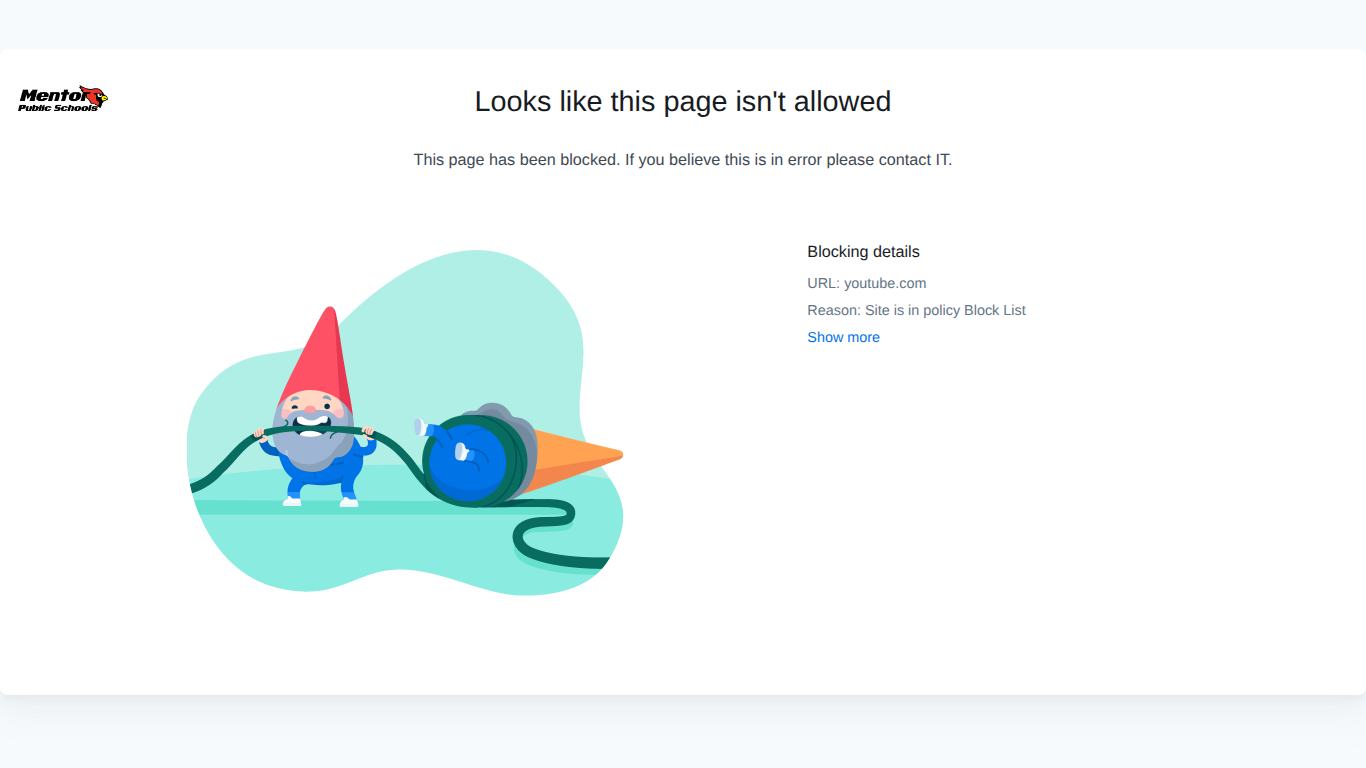
In 2026, Mentor students are now prohibited from accessing YouTube services with their student based email accounts. The change came as a surprise for many, but understanding the reasons behind the newfound restrictions offers new light into the reasoning of Mentor Administrators. To figure out more about the change, gather opinions, and explain the history of YouTube Restrictions around the nation, Cardinal Nation spoke to numerous students and to Mentor Administrators and IT staff.
The Nationwide Downfall of YouTube in Schools
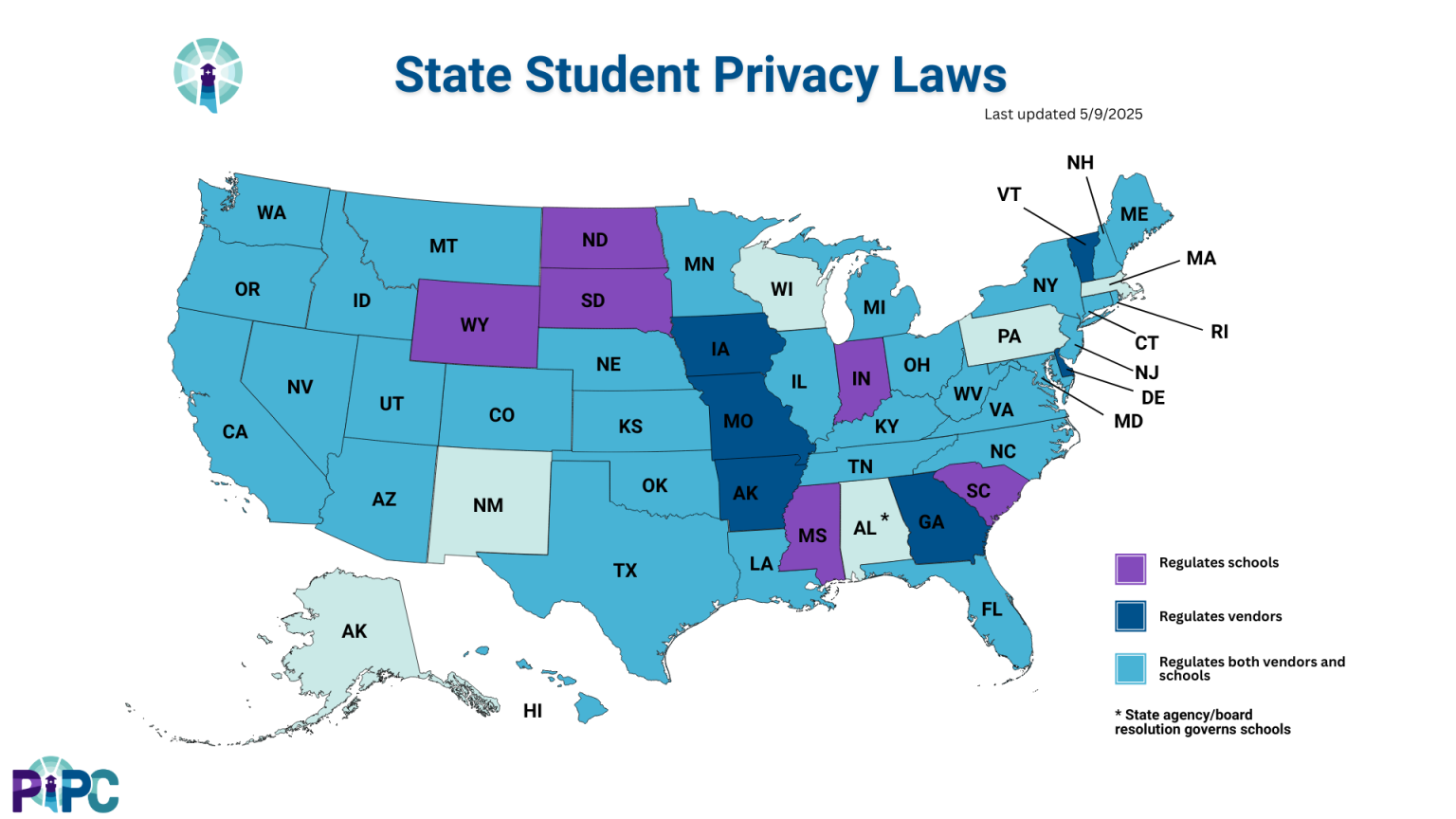
In thousands of school districts, hundreds of counties, and dozens of states, YouTube has been restricted for students. Since 2011, school districts have attempted to restrict what students can access on their school devices and accounts, largely to protect them from inappropriate content that can appear on the platform. In more recent years, restrictions have shifted towards protecting student data, valuing such privacy in combination with content restrictions. 47 states and counting have passed regulations that deal with student privacy and third-party access to student information, including New York, Missouri, Connecticut, and Ohio.
In New York state, a 2024 entry to the state’s legislation dealing with education outlined guidelines for student data privacy, including “personally identifiable information.” The “2-D Law,” as named by the section of the New York State law in which the regulations are found, went into effect throughout 2025 and provided larger restrictions for student data privacy. At a similar time, Google updated a waiver, which covered many of their online services and allowed students to safely access their platforms, no longer covering services like Google Translate, Maps, and, of course, YouTube. As a result, the base-level privacy restrictions offered by Google no longer met the standards of the 2-D Law, leading New York school districts to eliminate direct student access to YouTube. While educators could still access the platform and embed videos into protected educational sites like Google Classroom or Schoology, free browsing of the platform was off-limits for students.
Similar to New York, new changes to Google’s privacy policies and waivers led to many Missouri school districts banning YouTube for students. While these changes were solely based on privacy restrictions, school districts in Connecticut began restricting YouTube for students based on the platform’s content. Here, school districts cited inappropriate videos that include violence, explicit language, or age-inappropriate content. Together, school districts around the nation, in dozens of states, have begun banning, restricting, or taking a closer look at the video streaming platform.
Behind Mentor’s YouTube Ban
With all middle school and high school students receiving school-issued personal devices in Mentor, access to YouTube was simple and often done daily for many. However, with the new restrictions, such access is no longer a possibility.
Looking into the reasoning for the change, Mentor is no different in their grounds, combining the need for content moderation for students with privacy policy standards for children. Jeremy Woodworth, the Director of IT for Mentor Schools, told Cardinal Nation that the platform’s block was due to “some of the content that is now available on the platform” as well as privacy concerns. Mr. Woodworth further stated that YouTube was not a part of Google’s Core Services, which includes platforms like Gmail, Google Calendar, and Classroom, which uphold certain levels of privacy protection that other Google endorsed platforms, like YouTube, do not receive.
Additionally, Google does not currently hold an Ohio Student Data Privacy Agreement, outlined in the 2024 Ohio Senate Bill 29, which includes “Using or releasing information that is confidential under state or federal law concerning a student or student’s family members for purposes other than student instruction.” Other purposes for such information include targeted advertising or algorithmic content personalization. To comply with state standards and to be an “early adapter” with educational changes, as MHS Principal John Fullerman told Cardinal Nation, Mentor Schools blocked the ability for students to use the platform.
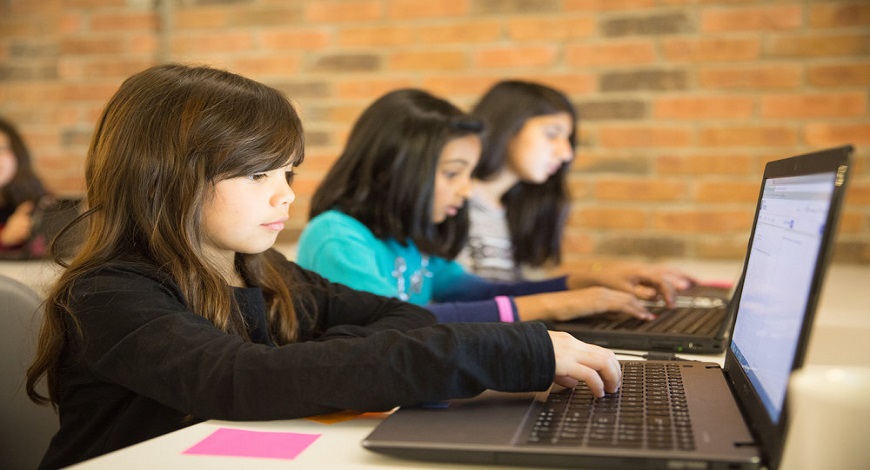
Teachers can still access the platform freely and can embed videos into sites like Schoology or Classkick for student use, allowing educational instruction to continue for classwork. The district has also provided educators with resources for embedding such videos and students with routes for accessing videos for their CCP Lakeland courses. Still, students cannot access additional content on the platform for other purposes, which can include educational material.
Even with these alternative routes, Senior Noah Hollander felt that YouTube is a beneficial supplement when extra help is needed for CCP classes, saying that YouTube is a way to “help students understand content, and having YouTube be banned doesn’t allow that to take place.” Senior Matthew Penkowski noted specific channels like Crash Course that have proven particularly beneficial to his academic journey. He also expressed doubts with the alternatives, saying that “Yes, there are work around for teachers; however, it is unlikely that teachers will do this work around for every subject or unit due to time constraints and lack of knowledge of what videos will help.” For the changes to be reconsidered, Mr. Woodworth told Cardinal Nation that Google would have to include YouTube in its Core Services or sign a Student Data Privacy Agreement.
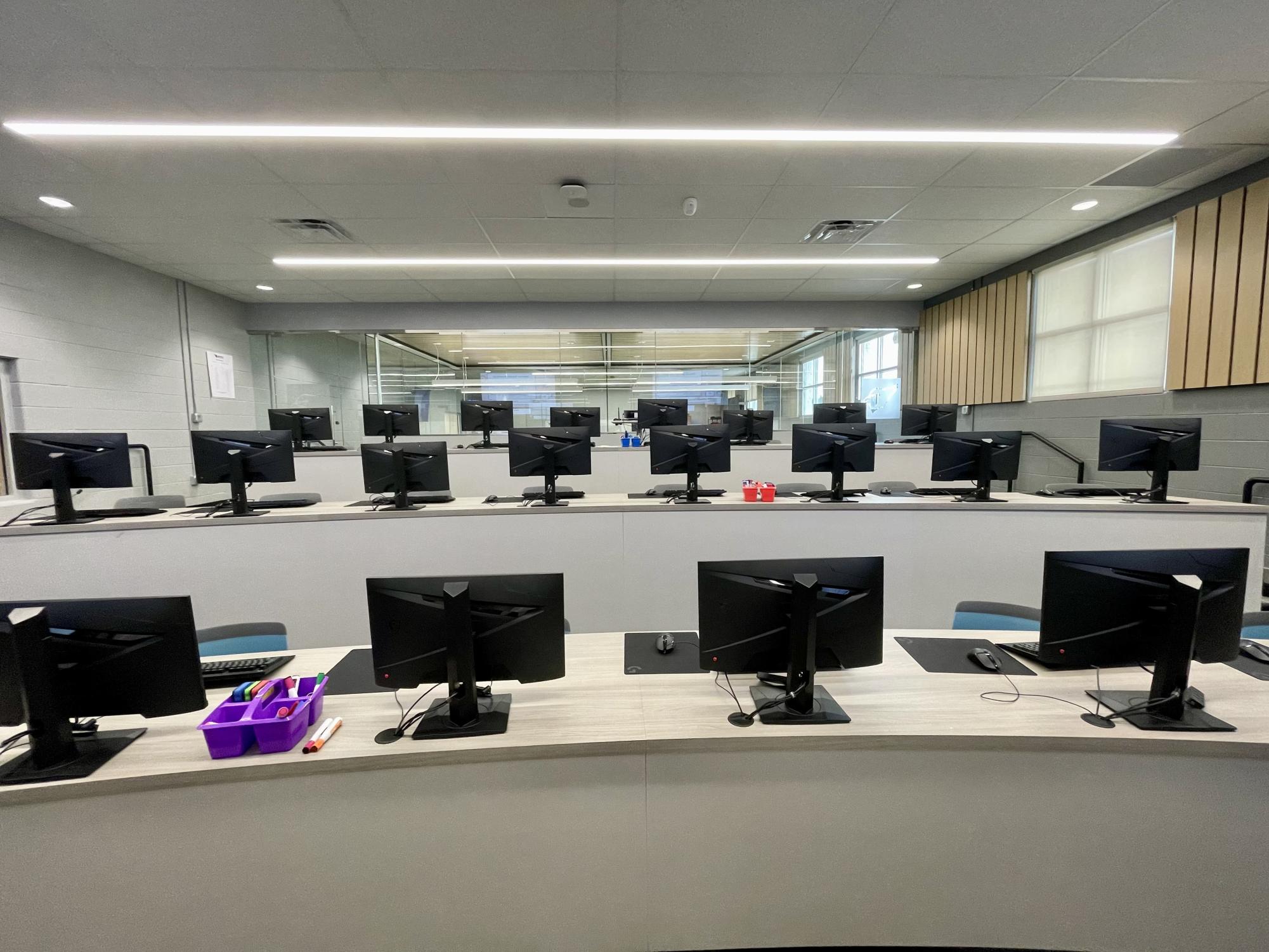
For some students, a lack of transparency was a large factor in their upset attitudes over the change, wishing to receive some sort of confirmation from the school as to why the platform was banned. With a lack of public justification, some students struggle to see the purpose in the new policy, as echoed by senior Logan Obracay who said, “I feel like the school has other things that it should be worrying about.” Logan felt like the school was targeting the students that watched YouTube instead of doing schoolwork but that this led to “everybody being punished.”
For students that did use YouTube solely for academic purposes, the ban is more controversial. Junior Max O’Donnell maintained that frustration over the ban is not about removing a form of entertainment, but about inhibiting the education process, saying, “I’ve heard more people complain about not being able to study than people not being able to watch NBA highlights.”
If students could have been told that the change was largely due to privacy restrictions that aim to protect them and their families, it is likely that some students would have been more understanding and empathetic to the ban. Matthew focused on the idea that YouTube is a distraction “no different than drawing cartoons on the margins of your paper” and that “we must look at its utility for struggling students.”
Either way, students and teachers will now be forced to adapt to the changes, with only time to tell whether the change truly affects the success of student education and privacy.