


In an increasingly digital world, social media has become a central aspect of everyday life, particularly among teenagers. Platforms such as Instagram, TikTok, Snapchat, and YouTube influence how individuals communicate, form identities, and perceive both themselves and others. While these platforms offer opportunities for connection and self-expression, they also contribute to a growing divide between online portrayals and real-life experiences.
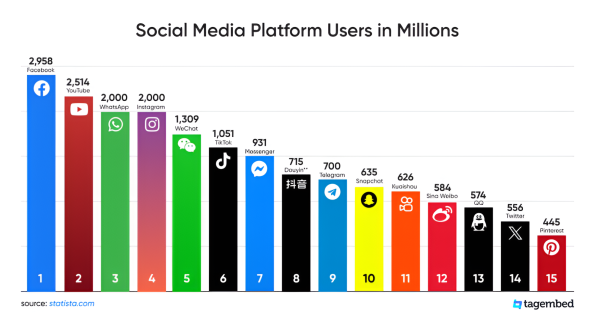
To better understand these effects, a Google Form survey was distributed to ninth-grade English Language Arts classes at Mentor High School. The survey included 21 respondents, all of whom were 9th grade students, ensuring a consistent and focused sample group. The goal was to examine how social media influences students’ daily lives, self-perception, and overall well-being.
According to the survey results, 20 out of 21 students (approximately 95%) reported using social media daily, with the majority spending between 1–5 hours per day, and nearly a quarter spending more than 5 hours. The most commonly used platforms were TikTok and YouTube (38.1% each), followed by Instagram and Snapchat. These results highlight how deeply integrated social media is in students’ daily routines.
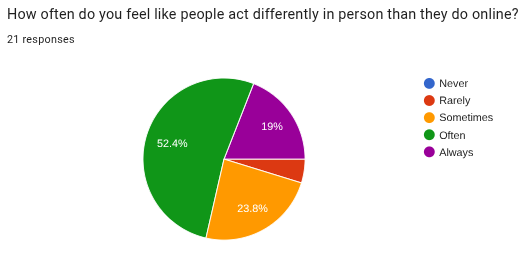
A key finding from the data is the prevalence of unrealistic expectations. When asked how “real” social media is compared to actual life, over 50% of students rated it low (2 out of 5), and none rated it as completely real. Additionally, 15 out of 21 students reported that people often or always act differently online than in person, reinforcing the idea that social media presents a filtered version of reality. This selective presentation contributes to a distorted perception of life, making it difficult for users to distinguish authenticity from performance.
The survey also highlighted the impact of social media on self-esteem and mental health. While many students reported positive emotions such as happiness (90.5%) and inspiration (61.9%), others reported experiencing loneliness (23.8%) and anxiety (14.3%). Furthermore, a significant number of students admitted to comparing themselves to others at least sometimes, which can negatively influence self-image. Although only a smaller portion reported consistent pressure for likes or followers, over half of students still indicated some level of pressure to present themselves a certain way online.
Research supports these findings. According to the American Psychological Association, increased social media use among adolescents has been linked to higher levels of anxiety, depression, and lower self-esteem. This suggests that the patterns observed in this survey reflect broader psychological trends beyond this specific group.
Despite these concerns, the data also reflects the positive aspects of social media. 76.2% of students reported using social media primarily for entertainment, while others highlighted staying connected with friends and family. Many students also reported feeling a moderate level of connection through social media, with most rating their sense of connection as a 3 or 4 out of 5. This demonstrates that social media can still play a meaningful role in communication and community-building.
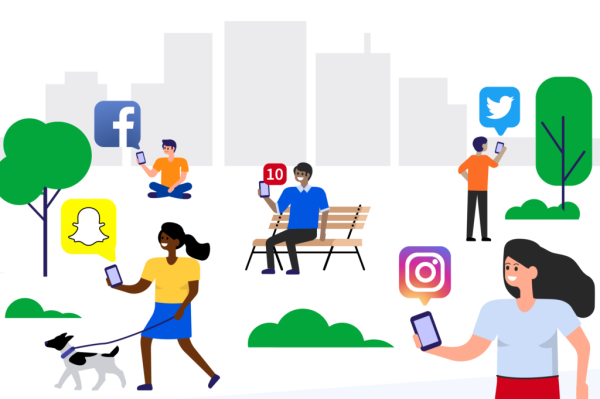
Over time, this level of dependence may affect productivity, focus, and overall well-being. Studies from organizations such as the American Psychological Association indicate that excessive screen time and constant digital engagement can reduce attention span and increase mental fatigue, especially among teenagers.
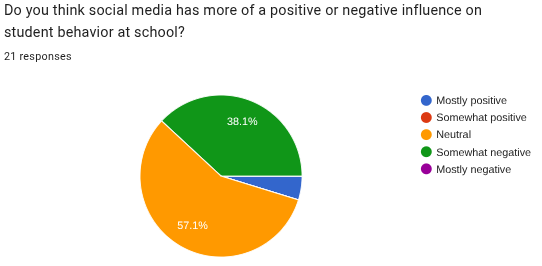
The survey also revealed that social media influences many aspects of school life, particularly fashion and appearance (81%), as well as self-esteem and mental health (61.9%). Additionally, most students (57.1%) believe social media has both positive and negative effects on friendships, showing that its impact is complex rather than entirely beneficial or harmful.
However, it is important to acknowledge the limitations of this study. Because the survey only included 9th grade students from Mentor High School, the results cannot be generalized to all students. Future research including a wider range of ages, schools, and locations would likely provide a more comprehensive understanding, although similar patterns may still emerge.
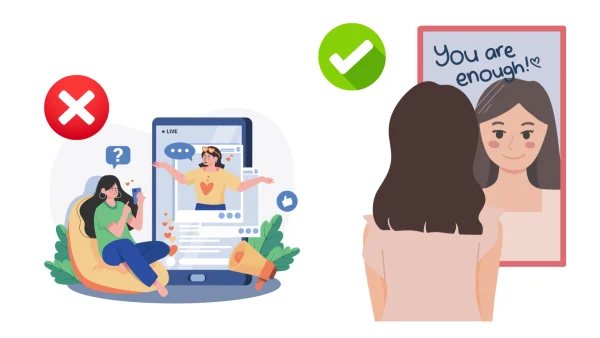
In conclusion, the data collected from ninth-grade students illustrates that social media is both beneficial and problematic. While it fosters communication, entertainment, and connection, it also promotes unrealistic standards and blurs the distinction between reality and illusion. As social media continues to shape modern life, it is essential for students to develop critical awareness of the content they consume. By recognizing the difference between curated images and authentic experiences, individuals can engage with social media in a more balanced and responsible manner.