

Over the past few years, MHS has developed and introduced numerous bathroom pass systems, all of which aim to reduce class interruptions and create a positive environment for students. Still, with so many different systems being introduced, some have come to wonder the reasoning behind the frequent changes.
Changes Over the Years
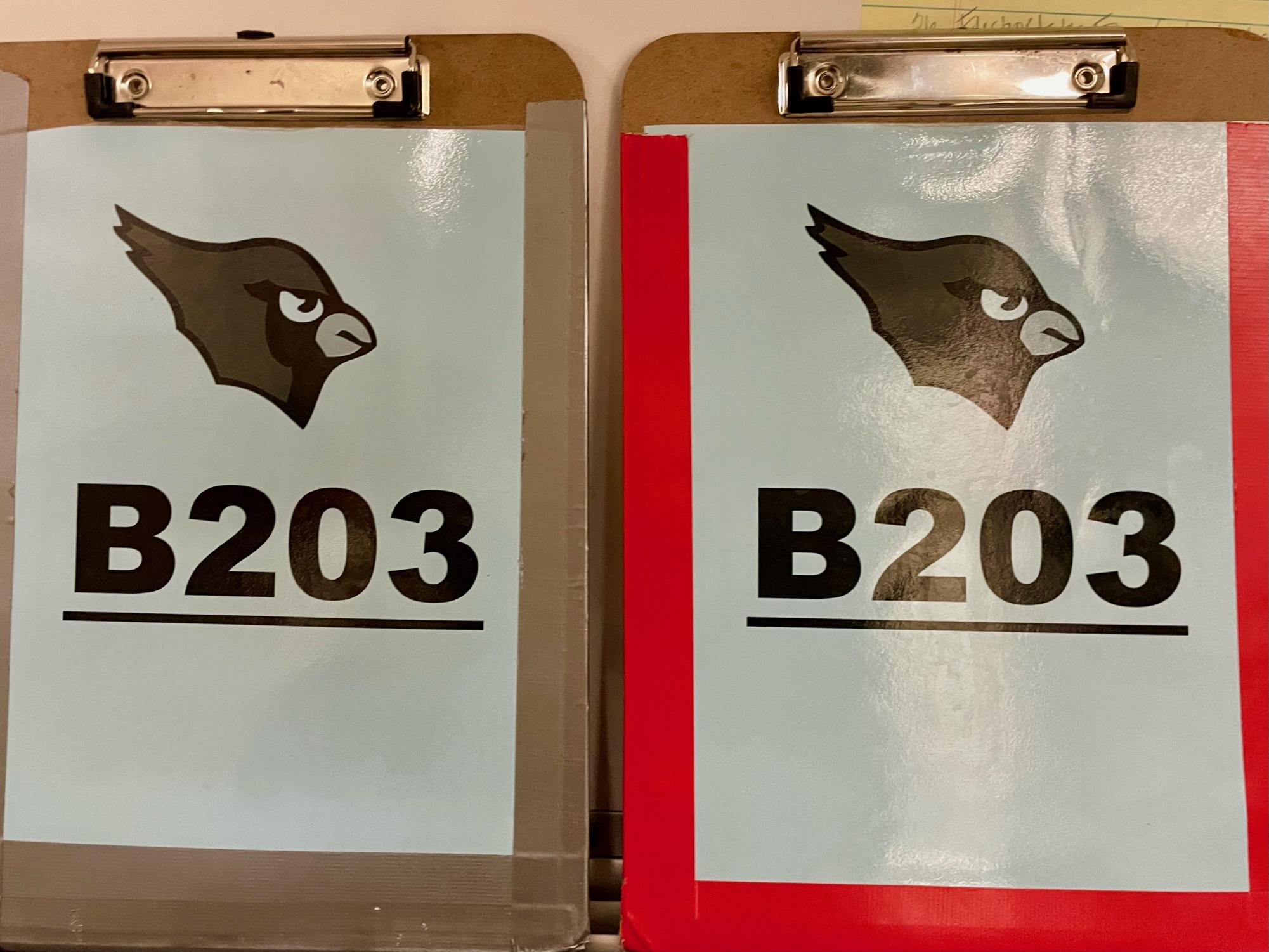
As of recent, bathroom passes have transitioned from lanyard passes to clipboards to digital forms plus clipboards. These physical handhelds display the classroom that the student originates from and allow educators and hallway monitors to see that students have permission to leave the classroom.
The lanyards, the longtime standing transition of passes from class, contained small sheets of covered paper that displayed the classroom, hooked along an often red lanyard. Students were meant to place the item around their neck, but the frequent insanitary environment that these were placed in caused students to place them in their pockets or hold them in their hands, places where they often weren’t visible to educators and monitors. As a result, MHS then began introducing color-coded clipboards to classrooms, which contained laminated paper that was color coded the wing of the building the student originated from as well as the room number. Here, students were forced now to carry the boards in their hands. With the large figure of the boards, educators and monitors were able to easily verify that students were permissibly out of class.
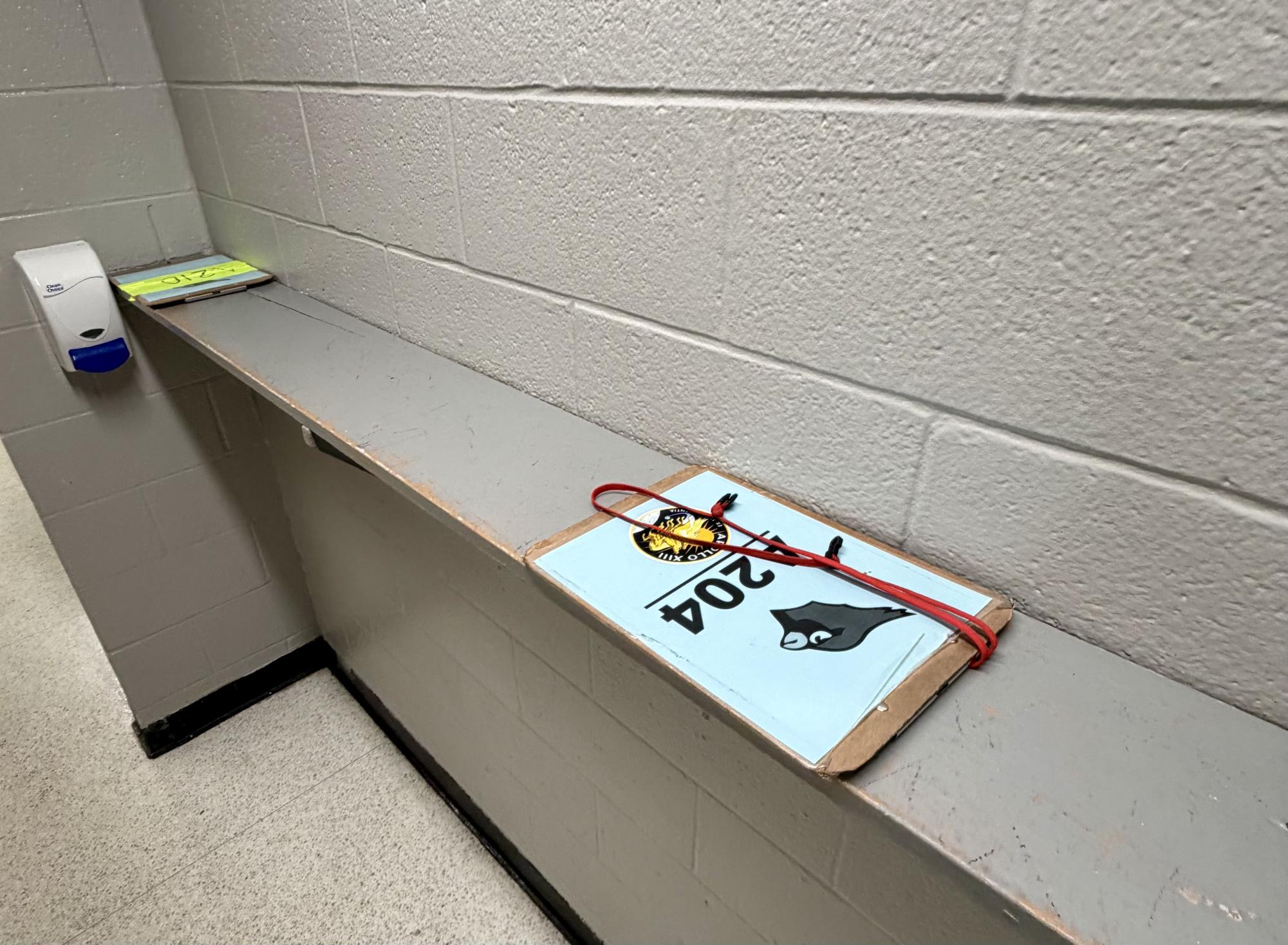
However, a large problem still remained from both of the pass systems: students would frequently misplace and lose the passes. When students entered the bathrooms, they would place their lanyards or clipboards on the racks available for student items, or on the floor if the racks were not present. Here, the passes could often get stolen, or students could mistakenly take the wrong pass on their way back to class. This created the all-too-common scenario where classrooms would end up with passes that did not correspond to their room number or even wing. Some classrooms would even end up without any passes after some time. To this day, the problem persists, and efforts to combat this problem have been ineffective.
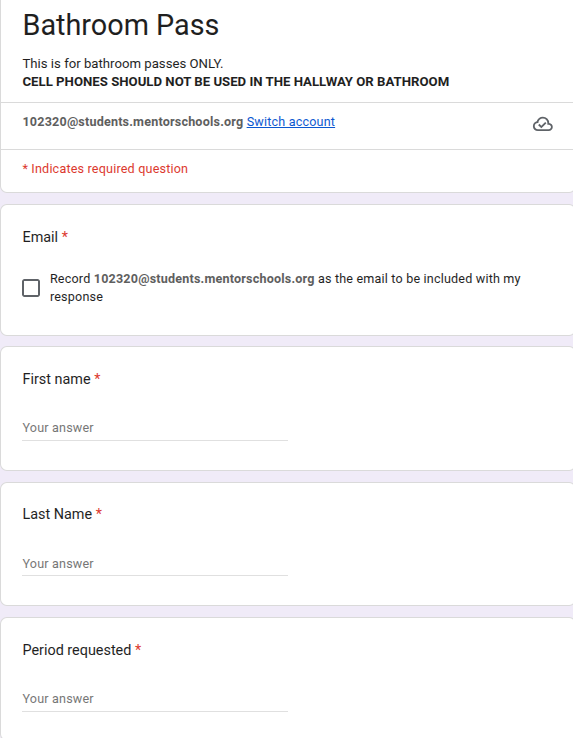
This year, MHS decided it was time to introduce yet another change: a form. Now, students have to complete an online Google form to be able to exit the classroom. Here, they must enter their full name as well as the period they are leaving the classroom, and then only then can they present the form to their teacher and ask to leave the classroom. 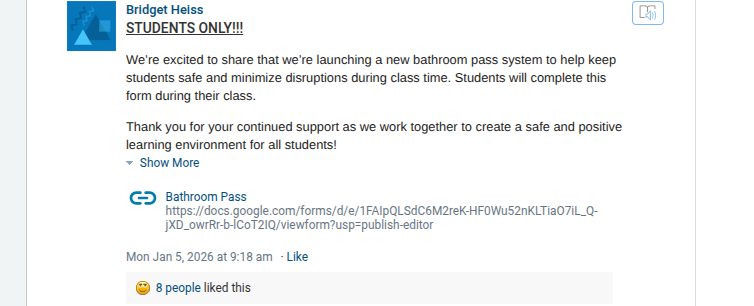
The statement from MHS to students regarding the change – Statement via Mrs. Heiss on Schoology
Digging Deeper into the Change
To discover the motivations of the change, Cardinal Nation talked to Mrs. Sara Parcell, MHS English Teacher and Co-Chair of the Faculty Council, who provided helpful insight into the background of the new system. The Faculty Council discusses subjects like the bathroom passes and formulates strategies and changes to address issues.
Largely, MHS administration looked to target and measure “frequent flyers,” as Mrs. Parcell called them, who are frequently going to the bathroom, especially during class. This, she said, cuts down on the time students have for instruction, negatively impacting their learning and lowering their grades when trends continue. By having students fill out the form, administration can track specific students who may be labeled “frequent flyers,” through the recording of student information. Then, if a student’s grades seem to be suffering, administration can talk to these students about better times to use the restroom, like during class change, lunch, or study hall, and put in plans to maximize instructional time.
In addition, some teachers have begun using other methods to keep students in the classroom, including only allowing students to leave the room when individual work is occurring, not during instructional time, carrying unconventional passes that may keep students from wanting to be seen with a strange pass item, or requiring additional sign out sheets to leave the room, like in present in study halls. Combined with the digital passes, the efforts are meant to keep students in the classroom, preventing loss of educational time, and tracking students as they leave the room. Another administrative benefit for the passes include added safety, as administration can track which students are in the halls at specific times, and the reduced traffic during class periods decreases student gatherings in bathrooms.
Measuring the System’s Success
Over the system’s implementation across a four month span, the system has seen various responses from various sources. Mrs. Parcell provided Cardinal Nation with the number of pass submissions during the month of January, which totaled 11,178 unique submissions. Over the course of the past four months, Mrs. Parcell estimated that the overall submissions of the form has declined, indicating a slowing of traffic in the hallways, which is likely seen as a positive from an administration perspective. However, not all responses were satisfied with the system change.
Anonymously, multiple teachers have expressed a distaste for the system, calling its use an overall waste of time and seemingly ineffective. Some students, similarly, have an overall dislike for the addition to the pass system. Though many have grown accustomed to the change, it still causes additional time to be spent filling out the form, showing the teacher, then leaving the room if granted permission.
Senior Matthew Penkowski, voted Most Likely to Win Olympic Gold, commented that the physical clipboards were what he called “hazardous waste,” where it is unknown where the passes have been, what has touched them, and where they’ll end up, creating unsanitary conditions. Another senior, Erin Melendez, added that the new system including the form seemingly only adds frustration for students, and does not combat class skipping effectively. She suggested that “A rule requiring students to leave their phones before using the restroom” might work better, discouraging students from skipping classes using bathroom passes since they will be unable to even sneakily use their phones.
Student Body President Yehuai Lin offered his feedback, commenting, “I understand the concerns regarding [the system], but I feel like making everyone do it is just crazy. I am indifferent to these passes since I feel like every school has a system regarding passes. I feel like the Google forms should be phased out by now. If the bathroom passes were truly about student safety then there are better ways to enable safety.” He also mentioned that a great start to positively remedying any issues would be to ask the students themselves, which was done briefly at the Principal’s Advisory Council, which contains students from all grade levels, however, this Council, meant to meet quarterly, has not met since December or before.
How Bathroom Passes are Run Around the State
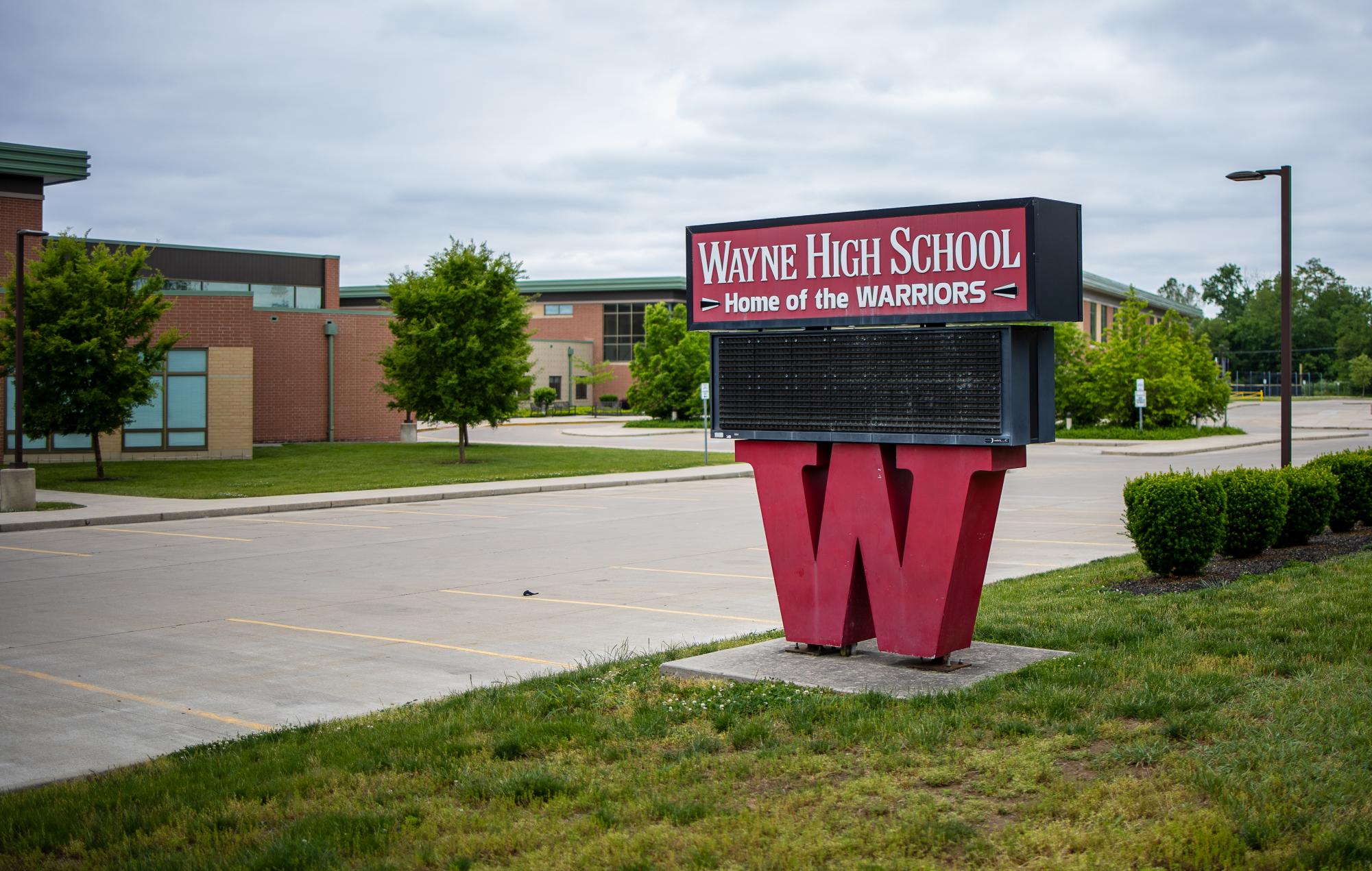
Around the state, bathroom pass systems work in various ways. At Belpre High School in Washington County, students use simple paper sign out forms to indicate their time of departure, their intended location, which could range from the bathroom to the nurses office, and their re-arrival time. Wayne High School in Montgomery County uses Securly, the program installed on all school devices at MHS, to create digital passes anytime a student leaves the room. After filling out that pass, students are given a physical pass by the teacher corresponding to the nearest bathroom, bearing much resemblance to the system at MHS.
Granville High School in Licking County has a slightly different method, using an app called SmartPass. These passes are filled out by students to travel anywhere in the building, including the restroom, meeting with a teacher, or visiting their locker. In order to complete the pass, the student must record their current location and the time and date at which they are leaving, while the pass automatically records how long the student is gone. It should be noted that the teacher of the class the student is in must accept the pass in order for the student to be allowed to leave the room, which students noted was a “fairly inconvenient” aspect of the system. Though it is helpful for tracking students in the case of an emergency, the multiple step system is disliked by students, who noted it used to be much easier to complete on their phones before use was banned by the state. At West Liberty-Salem High School in Champaign County, the system is relatively identical, using an app called Minga.
Normandy High School in Cuyahoga County has another complicated system, using online smart passes to record their intended location, which is sent to the teacher. After an online pass is completed, students grab physical passes, like the clipboards at MHS, which indicate the room number and floor of the student’s origin. When students enter the bathroom, there is another physical sign in sheet where students record their full name and the time they enter and exit the bathroom, adding a third step to the system.
Overall, the bathroom system at MHS has many similarities to those around the state with alike responses from students. Mrs. Parcell indicated that the pass system was likely to return in identical or very similar fashion next year, meaning students should continue adapting to the current method for leaving the room, and are encouraged to manage their time away from instruction to maximize their grades.