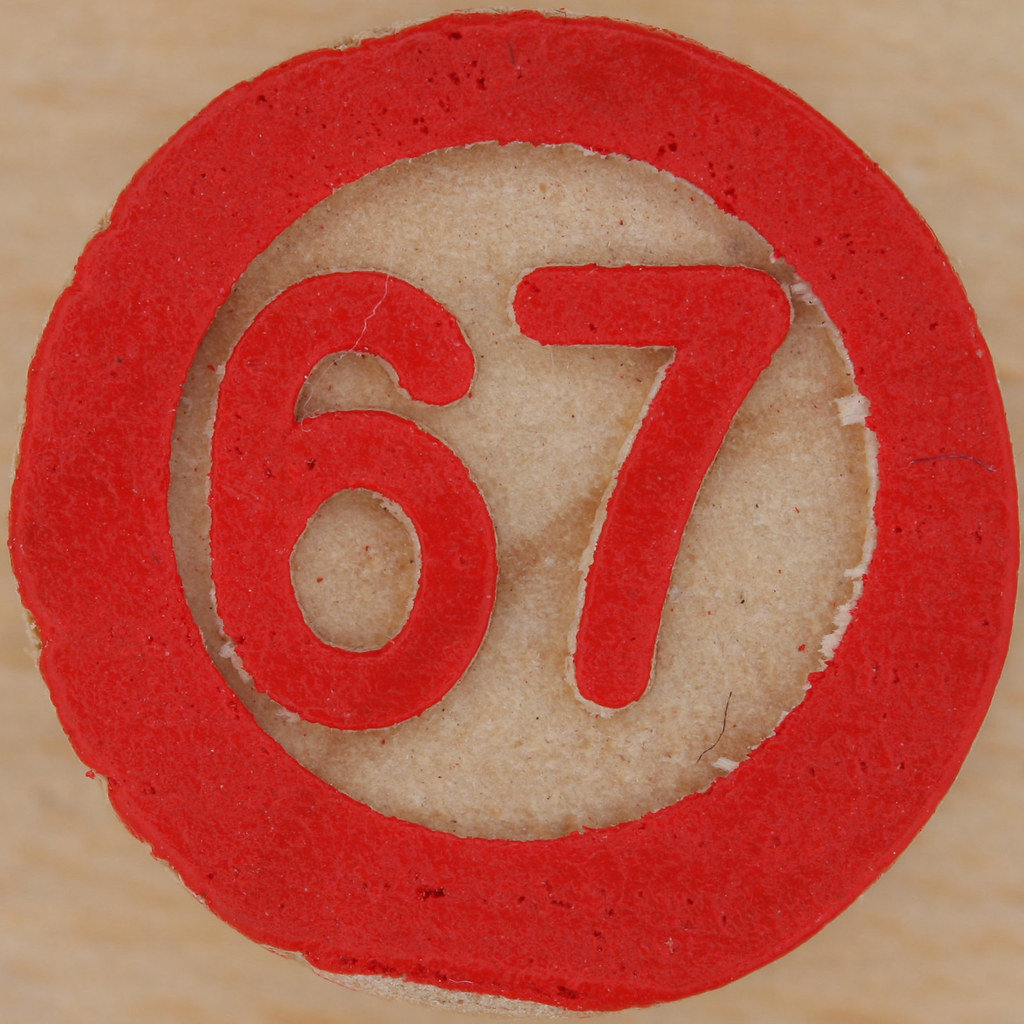
Most of us, whether unfortunate or not, have heard “6-7” walking the halls of MHS or just everywhere constantly. It has brought us to the point where fast food restaurants like Wendy’s are doing a 67¢ Frosty deal, to international legislatures using the joke.
Adolescents tend to use the phrase whenever there is a chance. In math class, if the answer is 1.67? You will hear 30 students chant “6-7” in unison and make a gesture, yet another meaningless aspect of a joke gone on for far too long.
It has embedded itself into our schools and our governments, and if something spreads like wildfire, such as 6-7, there surely must be a meaning behind it…right?
What does 6-7 mean?
“6-7” quite literally means nothing. Is it an adjective? Noun? Preposition? No one knows, and frankly, no one cares. Despite being dictionary.com’s word of the year, the definition provided was “Slang.”
Originating with collegiate and professional basketball players, the height of 6 feet and 7 inches was used for numerous edits on social media. Then, a popular rap song was made emphasizing the numbers, ultimately turning into a nationwide joke with no punchline.
The origin of “6-7” is quite disappointing, considering the extent to which the language spread throughout the country and throughout several generations.
Teenagers heard the song and decided that anytime the numbers 6 and 7 were said consecutively, they would make a hand gesture following the numbers.
How the Change in Vernacular Represents a Greater Change in Society
While 6-7 has proven to have no true meaning or definition, it represents something larger than slang, but how our society has changed to valuing similarity rather than communication. The phrase’s meaning, or lack thereof, proves that the phrase’s shared-ness is what gives it its true meaning rather than a simple definition. Our society’s turn to sameness being valued more than individuality, a frightening realization that could lead to a future lack of communication between future generations if all we value are call-and-responses.
Gen Z’s language is changing, and even faster through the use of social media. While definitive proof lacks that “more words” have been created, it surely seems like it. In society and in classrooms, slang has come and gone. In 2024, demure was dictionary.com‘s word of the year; now, when writing this, demure is virtually extinct, and soon “6-7” will meet the same fate in the graveyard of overused terms. As TikTok and other popular social media platforms create new words that become fast favorites, previous trends are forgotten almost as quickly.
This demonstrates the large shift that has been seen in society throughout recent decades. We have become content with repeating what is familiar rather than creating something meaningful, valuing quick recognition over thoughtful expression. A joke works not because it says something, but because everyone already knows how to respond.