
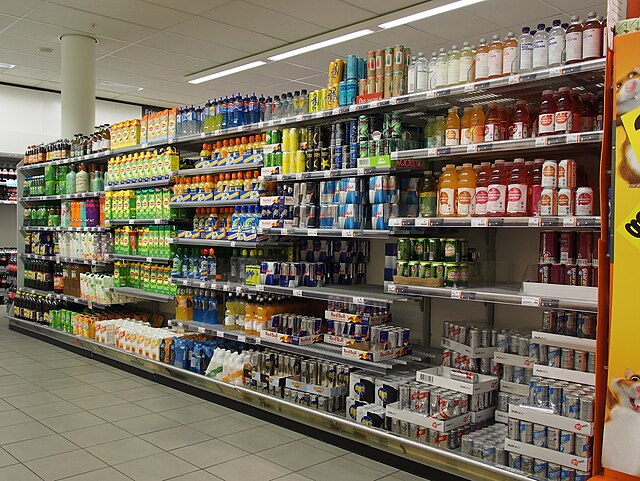
Walking into the student center at 6:50 a.m., the most noticeable similarity between every student isn’t their Mentor Cardinals sweatshirt, but rather their energy drinks. Almost every student holds some flavor of Bloom, Monster, Redbull or Celcius. The few who don’t have an energy drink, are holding either Starbucks or Dunkin. Teens seem to love their energy drinks; but what’s the correlation?

Marketing
Each energy drink brand seems to have their own branding, specifically catering to teenagers. Bright colors and popularity on social media makes energy drinks just another habit adolescents don’t think about, with the CDC noting that, “30%–50% of adolescents are reported to consume energy drinks.”
Past this, Redbull appeals to teenagers via their social media accounts showing dangerous and adrenaline filled stunts, from snowboarding, to diving, to biking. With 20.7 Million followers on Tiktok, 31.5 million on Instagram and 27.1 million on YouTube, teenagers are often exposed to content promoting their caffeinated drinks. The adrenaline stunts, often featuring physical activity, can associate energy drinks with athletics.
Similar is PRIME Energy, co-founded by social media stars, Logan Paul and KSI. Their drink is often marketed on their social media as well as sponsorships.
Sophomore Lilly Zimmerman expands on energy drinks marketing, saying, “I see videos of influencers talking about them,” when discussing social media’s effect on why teens buy energy drinks.
Lack of sleep

According to the CDC, teenagers should get 8-10 hours of sleep per day. Yet, when balancing homework, extracurriculars, daily chores and the early start time of high schools across the nation, most do not comply with this recommendation. Nationwide Children’s Hospital says that most teenagers get 7 hours of sleep, needing 9.
This sentiment follows across MHS with freshman Garett Aston stating to get “usually 5-7 hours” of sleep. Lilly further commented, “Energy drinks are the only thing that actually give me energy.”
Drinking energy drinks seems to be just another thing adolescents do unconsciously. Taking sips from older siblings or friends can eventually result with you drinking them yourself.

What are the effects?
Following guidelines from the American Academy of Pediatrics, with additional research by Columbia University, Irving Medical Center claims, “No one of any age, especially zero to 17, should have energy drinks.” Yet, walking through MHS, it seems to be another guideline lost somewhere. Nonetheless, the effects of caffeine on developing adolescents can affect their mental and physical health.
Freshman Alayna Gaglardi gives her experience saying, “Anytime I have an energy drink, if I haven’t eaten beforehand, my body starts shaking.”
Columbia University, Irving Medical Center continues by listing the short term effects of energy drinks, “Anxiety, dehydration, diarrhea, heart palpitations, high blood pressure, increased heart rate, insomnia, jitters, nausea and restlessness.” Long term effects can create a caffeine addiction, headaches and withdrawal symptoms.
Columbia continues by reiterating the FDA recommendation for adolescents caffeine consumption is 100 mg per day, of which most energy drinks surpass. Over consuming caffeine can interfere
with social-emotional health and can worsen preexisting conditions. Caffeine is able to cause these issues by blocking adenosine receptors, which are vital to sleep and heart health. Caffeine can also boost dopamine, which has been linked to anxiety and other mental health conditions.
Banned

Due to other chemicals like taurine that can be found in energy the CDC reiterates that adolescents should not consume energy drinks. Numerous countries like Lithuania, Latvia, Romania, Türkiye, and Poland have banned energy drinks for minors under 18. North Macedonia, Azerbaijan, Hungary and Kuwait additionally have recommendations banning energy drinks in school, advertising to minors and banning energy drinks for those under 16.
Overall
Despite energy drinks seemingly a ubiquitous presence, it is not advised that teenagers drink them. If they choose, teens should choose energy drinks that have limited caffeine and check labels before buying them, as well as knowing the risks if preexisting conditions exist. Adolescents still continue to reach for these mass-marketed and energy providing drinks despite the risks.