

Whether you are a student, teacher, parent, or community member surrounding a school district, the existence of a school publication as a student-run newspaper fundamentally makes the district safer. To understand the benefits of a student newspaper to the community, we must acknowledge what a student newspaper is and why such publications exist.
What is a Student Newspaper?
Much of the following is based on the wonderful Journalism History Podcast episode 128, “Cieslik-Miskimen Podcast: The Birth of High School Journalism.”
Containing the aspirations of students, school newspapers offer a forum for student expression and communal discussion.
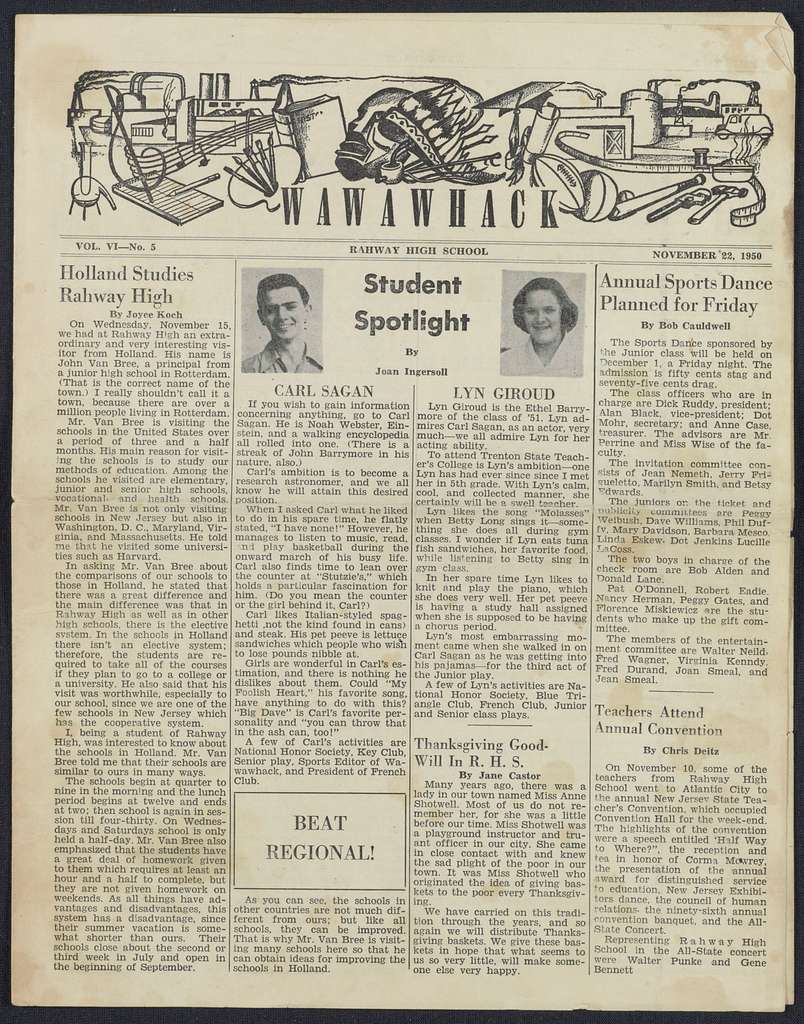
Beginning with an increase in high school enrollment during the 1910s, student journalism increased in relevance as more students roamed the halls of high schools across the nation. Primarily, these newspapers began with pedagogical (teaching) intentions. Trade and English curricula combined to teach students the art of writing about various topics beyond professionally bound works, and set these students up for potential futures in journalism. Recognizing the publicity potential in these student-written pieces, school administrations began offering platforms for them to be shared with a wider audience. Not only did these publications highlight the achievements of students and the success of the school, but they also often generated positive reception about the social atmosphere in the school, which would assist schools in generating funding from the public.
Jam-packed with text, these physical documents housed stories from athletic accomplishments to school board critiques. For many schools, a proper balance was needed between administrative oversight and authentic student production, a predicament that still challenges newspapers nationwide. Throughout the 1940-70s, institutional oversight became increasingly prevalent in newspapers, with schools looking to properly portray a positive picture of their environment.

Caitlin Cielsik-Miskimen, Assistant Professor in Journalism and Mass Media at the University of Idaho describes the predicament best: “I think that makes it really tricky to look at [the newspapers], because it’s hard to disentangle the motivations of the students producing them from the motivations of the individuals who, for better or for worse, funded these programs and made sure they had a place in the school.”
In 1988, the United States Supreme Court handed down the journalistically infamous decision in the case Hazelwood School District v. Kuhlmeier, ruling that public school administrations have the ability to exercise supreme editorial control over publications in a school-sponsored newspaper.
Today, many schools choose relatively hands-off approaches, validating articles before they are published, but preserving the integrity of student expression. Overall, the atmosphere of student newspapers culminates in the supreme publication of student voice and accomplishment for districts across the nation.
Why is a Student Newspaper Important?
More than just a newspaper, a student publication is a source for student expression and connection, being a vital part of a school community. Throughout their existence, the newspapers have provided essential information and updates on district changes and events that community members value.
The added benefit of having each and every article written by a fellow student allows students to feel connected to the ongoings of the district, as their peers are the ones communicating directly to them with language they are familiar with. When students are aware and engaged with the happenings at their school and district, the school environment becomes a safer place, reducing feelings of confusion and mistrust among students. Most importantly, when students are communicating with each other either physically or through online mediums of school publications, students feel more connected to one another, eliminating the isolation students may feel in their school lives.
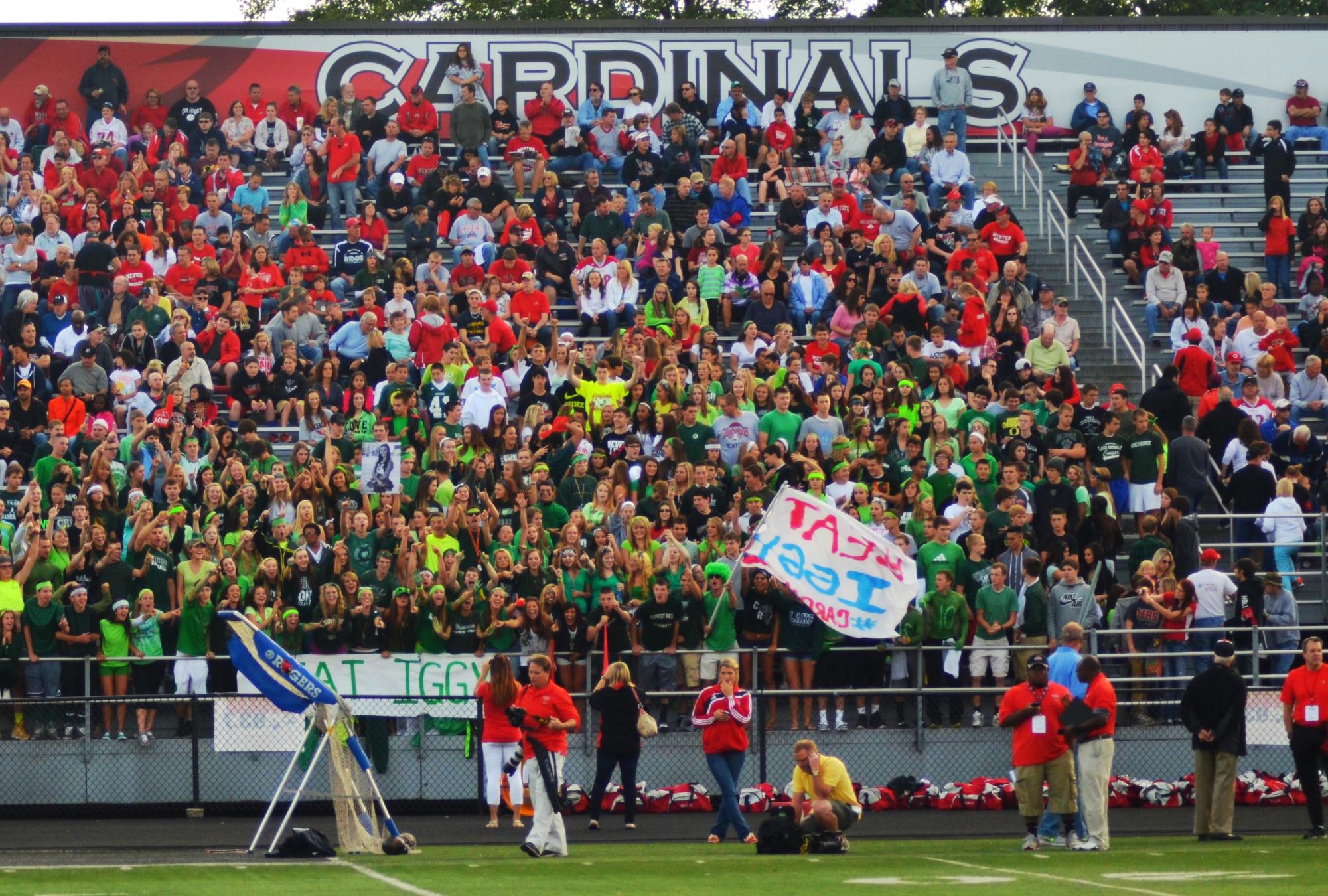
Increased communication among students plays a vital role in reducing the risks of violence and conflict in our schools as well. By understanding one another, students are less likely to lash out at another student over differences in ideology, background, and characteristics. In being more accepting in this way, our school community grows stronger. By peacefully sharing one’s thoughts and opinions, everyone can feel heard, respected, and supported. School safety is extremely important, and growing together as a school community makes everyone feel secure. Though school newspapers are just one route for facilitating such positive change, they is perhaps one of the most vital for doing so.
In being produced by students, for students, Cardinal Nation serves the direct purpose of bringing our district together for harmonious discussion and community building. Cardinal Nation‘s mission statement follows such ideas, with its role “To be the premiere chronicler and voice of Mentor High School students and their ideas, activities, and accomplishments,” with an objective “To inform, educate, and advocate for the Mentor High School student body by providing an open forum for appropriate student expression.” What this means is that Cardinal Nation does not exist for itself or for profit, but for you.
As a Student, Get Involved.
Many school newspapers are open to all students, often being offered as extracurricular activities or as elective courses in districts around the nation. Contributing to a school newspaper not only allows you to share your ideas with your community, but also allows an insight into the everyday ongoings of the district and forms a tighter bond between students, staff, and community members. Whether you write about athletic and scholarly achievements, create poetic or creative works of literature or art, or publish photographic essays, there is a place for every person in a school newspaper.
Staff and community members, take the time to read the stories published by students. Students work incredibly hard daily to masterfully produce literary works that rarely produce any fruit for their labor. Reading, liking, or even commenting on a story can make immense differences in motivating students to continue their journalistic journey, and learning about and connecting with students along the way has never hurt.
*******************
Access the Ohio School Safety Center’s Safer Ohio School Tip Line anonymously by contacting 844-723-3764, available 24 hours a day, to share any information regarding school safety with school officials and law enforcement.