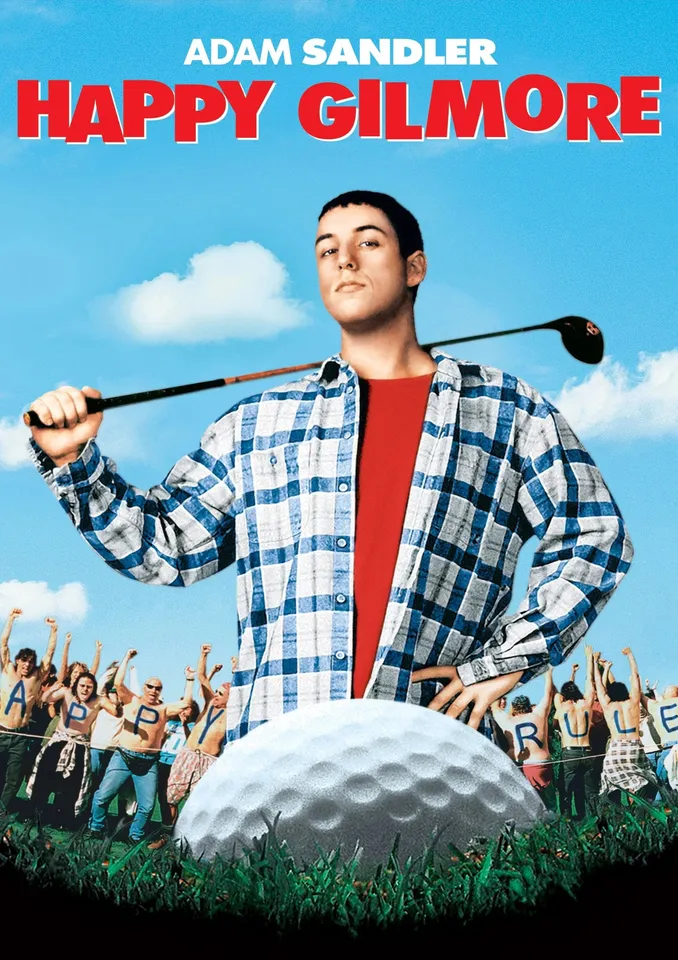
Over the summer Netflix dropped a new sequel comedy, “Happy Gilmore 2.” Adam Sandler came back swinging, literally and comedically, to reprise the role of Happy. The film starts off where the 1996 hit left off, with Happy having beaten Shooter McGavin and going on to win many more golf tournaments. However, in a turn of events, the underdog finds himself retired and short on cash for his daughter’s dance school. Happy reluctantly steps back into the game, facing a revamped sport.
I saw the original film about ten years ago when my dad introduced it to me, and since then it has become a popular re-watch for me. The original was about the only film I could actually convince my little sister to watch, and so I’ve come to really appreciate the original film. That being said, I think critics’ argument that the sequel lacks nostalgia or purpose is utterly absurd. I think the sequel, while obviously a random release, fits perfectly with today’s comedies. The film is able to tie in references from the original film with newer audiences by incorporating cameos of famous stars like Margaret Qualley and Bad Bunny. Specifically, I most appreciated the subtle nods. For instance, the film put a headstone nodding to Helen Honeywell as the “Mista! Mista!” crazy lady. I was also surprised just how much of the original cast they were able to bring back. Aside from the few actors who are unfortunately no longer with us, the main cast all returned.
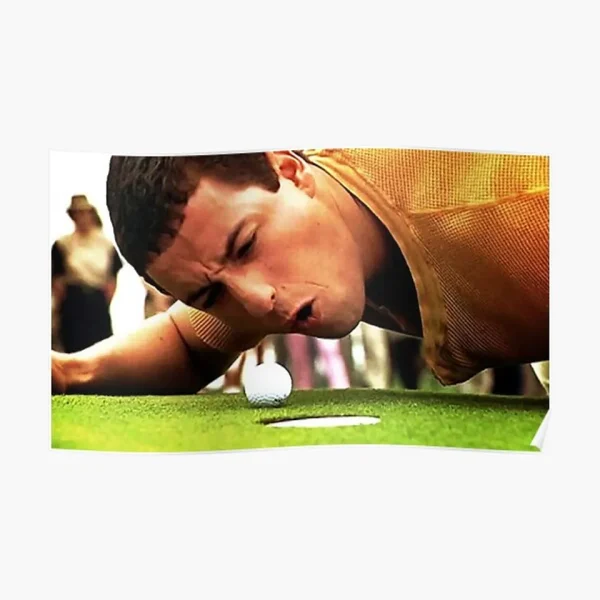
I also felt Sandler was able to easily slide back into the shoes of Happy by delivering a perfect performance as the hotheaded hockey player turned pro golfer. Additionally, while some felt Sandler made the character seem too old, I thought they had balanced the character to show both his iconic absurdity and somewhat grumpy kindheartedness. For instance, the writers obviously decided to add emotional depth to the character by building on his family; he no longer worries just for his grandma but now for his five kids and passed wife. However, this depth is followed by a comedic relief of various gags, like his inability to golf.
Another criticism I’ve seen is that the comedic timing doesn’t quite land in this decade. For example, critic Lachmi Deb Roy said the film was witless and unable to meet this generation of viewers’ expectations. In my opinion, that is far from the truth. While I have little knowledge of golf, I noticed various references to how golf has modernized. The obvious being Frank Manatee’s Wipe-Out-style golf tournament. Moreover, the film hit on prevalent themes for right now, like school tuition and alcoholism. It also included various timeless themes like failure/success, family, and grief. The film was able to incorporate all these themes in a ridiculous and humorous style that Happy Madison productions are notorious for.
Speaking of cameos and such, it is important to note that the film potentially crosses the line of too many. Various sources report that the film had over 74 different cameos from the original cast, Adam Sandler’s family, 90’s celebrities, new celebrities, and golfers. For many, some of the cameos feel somewhat forced. An example is rapper Eminem, who plays the son of the heckler from the original film. The cameo, while I personally didn’t mind it, really didn’t make sense, though perhaps it’s from a reference I’m unfamiliar with. Additionally, including Travis Kelce felt odd, but I’m sure it brought joy to NFL fans to see Bad Bunny ruffle his feathers.
All this being said, it does bring me to a few questions. In my opinion, I think Happy’s character doesn’t really evolve much; he simply ends up where he started before the death of his wife. So this would make me think there could still be more story to tell in a third installment. Additionally, if that were the case, is that something audiences want to see, or should this comedy be left alone before it turns into the next Zoolander?
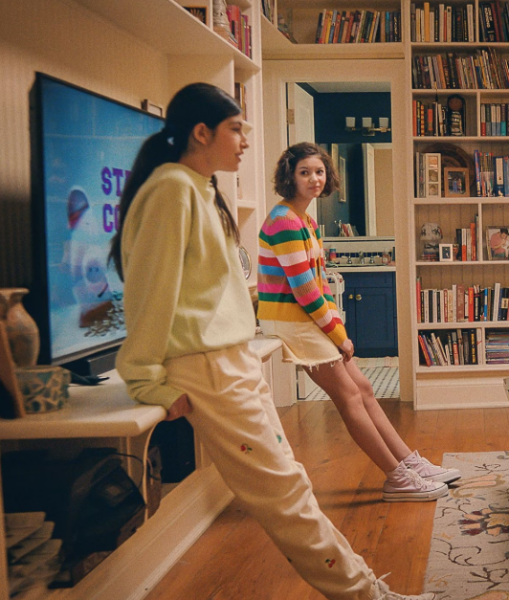
Furthermore, I struggled to find who the real standout character was. I think in the original there’s no argument that it is Happy; however, I feel like this sequel offers many standouts. Personally, I thought Bad Bunny as Oscar and Marcello Hernandez as his cousin Esteban made a surprisingly funny pair of standouts, though I probably should’ve assumed that based on their multiple SNL skits together. Alternatively, I thought Sunny Sandler as Happy’s son Vienna was a notable character considering her relatively low screen time and number of lines. Still, I’d be interested to know what characters general audiences liked most.
Finally, I’m curious to see how this film will pan out compared to other sequels as time passes. I think it’s clear right now it’s a hit, but is it a film an audience will come back to, or is it something that only fits at this moment in time? Personally, I think the film being available on Netflix really hurts its chances of being a classic like the original because many audiences are straying away from Netflix original comedies after failed films like “You’re So Not Invited to My Bat Mitzvah,” starring Sunny Sandler, or “Kinda Pregnant,” starring Amy Schumer.
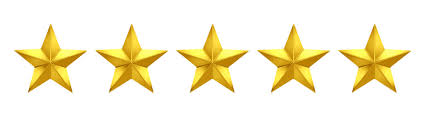
My final verdict is that the film is exactly what it is promised to be. It was consistently entertaining while maintaining its roots and a heartfelt story. Overall, I’d rate the film a 5/5, as Sandler and his production team prove they’re still tee-riffic at golf and punchlines.