

I Really Hope This Doesn’t Ruin Easter
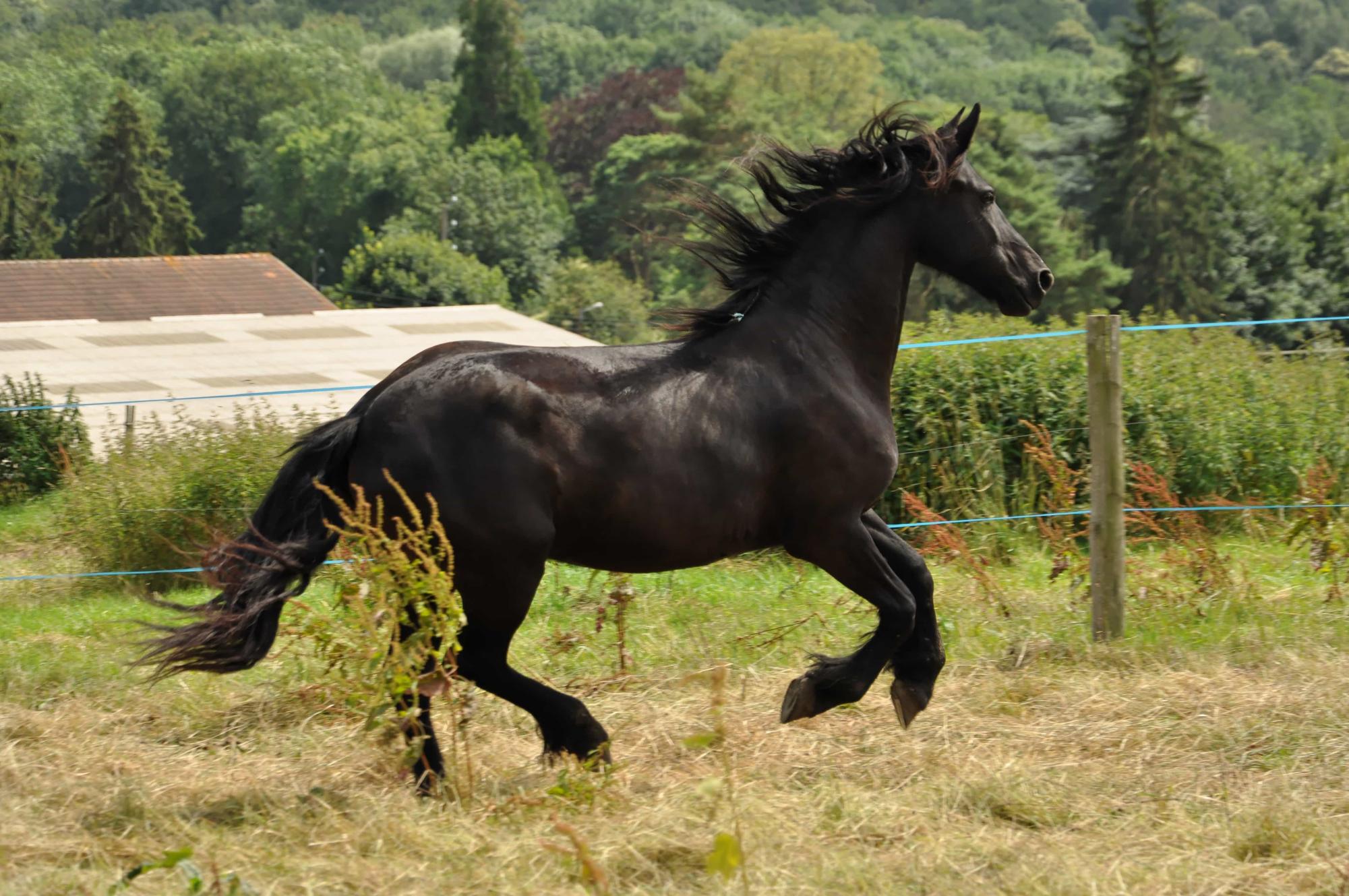
I can’t help but notice my heart is a stallion behind a picket fence of ribs,
Kicking at marrow, made wild with the scent of smoke from near and far fires.
It hears the reverberating of distant stone breaking,
And while it’d be easier to ignore it, it can’t deny the vibration is a call to run.
It wants to offer its saddle to the small shattered ghosts
Of children and mothers who learned
The geometry of corners on basement floors while the sky was falling in on their lives.
It wants to find the ones who shriek, hollowed by famine and hidden by shadows,
To bow its neck and take the weight of their world onto its own throbbing back.
It is a creature of personal worries too,
And perhaps that’s the conundrum.
It shies away from the next coming seasons of crumpled leaves and change.
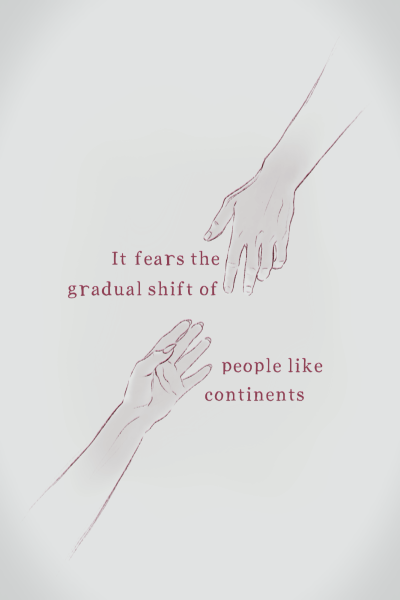
It fears the gradual drift of people like continents–
How we only grow up to grow distant and irate,
Until we are strangers together again, but only
By tethers of the same labor
I press a shaky hand to my chest and feel for a pulse to keep the roaring down,
I truly hope this doesn’t ruin Easter, but I think the horse is going to bolt.
Synopsis of my favorite parts of the poem (from the author):
- Ambiguity: I kept this poem largely ambiguous because I think our worries are all ever-changing and unique. I think we are without a doubt living in uncertain times and so the second stanza is representative of that. It’s about hearing the call to want to help strangers through their struggles, whether that be war, poverty, famine, abuse, divorce, isolation, etc. But it also represents the inability to do so. Your heart “wants” all these things but in the poem it never gets to do them. There’s also the line about the horses throbbing back—your own heart aches and the reality is how much more can you really carry? I also made the concept of the weight of their circumstances ambiguous. It’s referred to as “their world”, insinuating the weight of their circumstances is not the same weight you might imagine because their world isn’t yours.
- “It wants to offer its saddle to the small shattered ghosts/Of children and mothers who learned/The geometry of corners on basement floors while the sky was falling in on their lives. ” This line is the most poignant in the whole poem. I thought it carried this devastating weight of struggle and allowed the reader to sympathize with such few words. Specifically, I think I accomplished this with such plain language. There’s this ordinary context of a mother and child, but then the introduction of the complexity of geometry and the basement floor, I think, points to this direction of struggle. The imagery to me was this idea of families of war who must hide from violence on basement floors, and their lives are so absent of everything that else is there but to learn to understand this floor. I felt like it insinuated this distance from their own home. They aren’t learning it as a friend but in a precise way, like geometry — which I felt represented this loss of safety and familiarity that people currently facing war must endure. However, I’m also open to the interpretation that this line could represent abuse, imagery of this mother and daughter who’ve been pushed down so much that they’ve come to understand the logic of the floor because they can’t understand the logic of their circumstances. Or more plainly, they’ve become almost like experts on the floor. It’s the only thing they know. I think both carry the significant sympathy that helps explain why the horse—your heart — would ache to save them.
- What does this line mean? “It shies away from the next coming seasons of crumpled leaves and change.” I would say this is one of the more specific aspects of the poem, perhaps the one that truly connects to me, and it’s about the fear of change that will come with going to college in fall. However, it can represent any change, so I didn’t want to limit it to that by stating something like the season of fall or the season of travel.
- Word choice: The word “labor” was something I sat on for a while. Initially, that line read: “Until we are strangers, together again, but only by the same tether of the name ‘worker’,” which I liked at first because it was representative of this cycle of how, as we grow up, we part ways for further education or immediately to the workforce, and during this time I think our life become very distinct, but it seems to me that eventually we all become alike again in the cycle of work, you know that idea of wake-up, eat, work, come home, eat, clean, sleep, and repeat. However, I felt like I didn’t want to limit this connection of cycles to just work. I felt like there was so much vastness to the cycles through which we reconnect, and so then I had changed worker to just laborer. However, that still carried some connotations of work and is now even more specific, providing imagery of working in a field or something along those lines. Ultimately, the decision to cut it down to just “by tethers of the same labor” was made because I felt it could take on many meanings. There are labors of love, passions, service (like to your country), work, etc. I felt like this was a way that you couldn’t limit how we will reconnect with strangers.
- Word choice: “tethers” was a word that I instantly knew I wanted to use. While the metaphor of a heart to a horse in the poem carries through the whole poem, it is very fluid, starting with a very direct referral of “my heart is a stallion”, but then it quickly changes to “it”. Then its actions are very animalistic, with it offering a saddle, but it then changes to offering its back, something more humanistic, when the speaker is more able to confront reality, because a hungry child is a more fathomable or confrontable idea than one who’s in life-threatening danger. The lines are then blurred again with the word personal. In this same section of ambiguity is when I applied the animalistic term “tethers” to strangers. It suggests that it’s not just this speaker whose heart is a stallion, we are all capable of such devotion and fierce worry/sympathy.
- Why Easter? Easter is a holiday of peace, and so I thought while the poem doesn’t discuss the environment, the speaker is in it created a complimentary juxtaposition to the thoughts of the speaker.
- Breaking down the last two lines: These last two lines shift from being the reality of the speaker’s mind and physical being with “I press…roaring down” to a confrontation of reality with “I really…ruin Easter” and finally a return to the main metaphor: “The horse is going to bolt” suggesting the speaker is unable to maintain this confrontation of reality they must return to the comfort of the fantastical metaphor. I thought these lines spoke to how young people handle living in uncertainty. I think we spend so much time in our own heads, but there is the reality too, of trying to console ourselves, whether that be deep breaths or shaky hands, legs, and voice. Ultimately, though I think we find it easiest to mask these feelings like the speaker does with the metaphor, it’s often easiest to set them aside when they become unbearable. I’m not suggesting that’s the healthiest way to handle stress or that you should handle it that way, but that is often the reality of it, because our conscience often doesn’t want to disturb the peace of others.


